

Kyoto itinerary: 2, 3 or 5 days
Kyoto was Japan's imperial capital for more than a thousand years, and it still has the country's densest concentration of temples, shrines and traditional gardens. Most of what you will want to see sits in a few clusters. Higashiyama in the east has Kiyomizu-dera, Gion and the Philosopher's Walk. The northwest holds Kinkaku-ji and Ryoan-ji. Arashiyama, on the western edge, has the bamboo grove and Tenryu-ji. Fushimi Inari lies just south of the centre. Getting around is easy: city buses reach almost every temple, two subway lines cross the centre, and JR and private railways cover Arashiyama and Fushimi. Much of each day, though, is spent walking between sights that sit close together. Entrance fees are low, usually a few dollars, and many shrines and streets are free. The itinerary below groups stops by area so you spend your time at the sights rather than in transit. TripGoat lists 94 places in Kyoto if you want to swap stops in or out.
Pick your dates and budget: TripGoat turns this itinerary into your own day-by-day plan, with the stops above, and you can change it as you like. Free.
When to go
The best months to visit Kyoto are March through September. Late March and April bring cherry blossoms, which is the most popular and crowded time of year, and May offers mild weather with fresh green gardens. June is the rainy season, good for moss gardens and hydrangeas. July and August are hot and humid, so plan temple visits for early morning. July is also when Yasaka Shrine hosts the Gion Matsuri festival.
How long to stay
Four days is the recommended length for Kyoto, and three is the practical minimum to cover the main areas without rushing. With up to ten days you can add day trips to Ohara, Kifune or Daigo-ji. Budget about $850 per person per week. Entrance fees are small, mostly between about $3 and $9, so food, transport and lodging make up most of your costs.
Day-by-day itinerary
The plan below runs over five days, with each day built around one part of the city so stops are a short walk or ride apart. Days 1 and 2 make a 2-day trip covering the eastern and northwestern highlights. Days 1 to 3 make a 3-day trip by adding Arashiyama. All five days make a 5-day trip with more shrines, markets and a relaxed final evening.
Day 1: Fushimi Inari, Higashiyama and Gion
Start early at Fushimi Inari Shrine, which is free. Give it about 2.5 hours so you can climb past the first crowded stretch of torii gates. Then head about 2.3 km north to Sanjūsangen-dō (about $4) and its long hall of Kannon statues. From there it is roughly 1.4 km uphill to Kiyomizu-dera (about $3.30) for views from the wooden stage. Walk down through the old lanes about 1.2 km into Gion and stay into the early evening, when the wooden streets are lit.


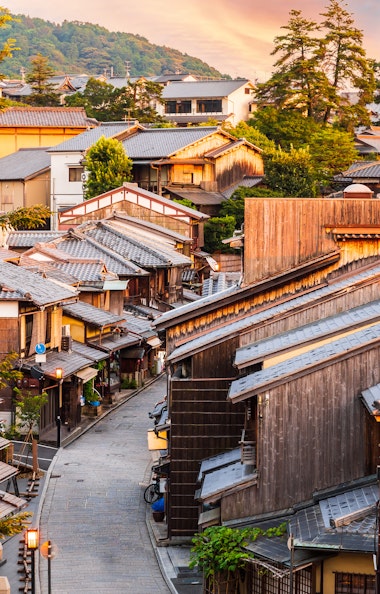
Day 2: Northwest temples and Nijō Castle
This day pairs three temples in northwest Kyoto that sit close together. Begin at Kinkaku-ji (about $3.30), ideally at opening time, before tour groups arrive. Walk about 1.1 km to Ryoan-ji (about $3.30) and sit with its rock garden for a while. Ninna-ji (about $5) is only 550 m further, with its five-story pagoda and late-blooming cherry trees. Finish at Nijō Castle (about $8.70), roughly 3.7 km east. That leg is easiest by bus or taxi, and the castle's nightingale floors and gardens close out the day.


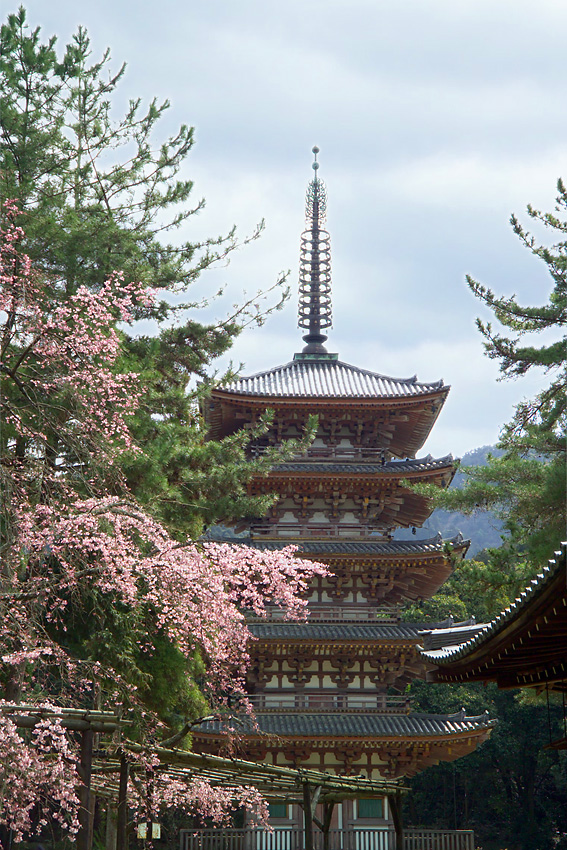

Day 3: Arashiyama, Tenryu-ji and the bamboo grove
Spend the whole day on Kyoto's western edge. Arashiyama is free to wander. Allow about three hours for the riverside, the Togetsukyo Bridge and lunch at one of the many food stalls and restaurants. Tenryu-ji (about $3.30) is about 950 m away, and its Zen garden is one of the finest in the city. The bamboo grove starts just 250 m from the temple, so finish with an unhurried walk among the bamboo. Late afternoon is often quieter than midday.
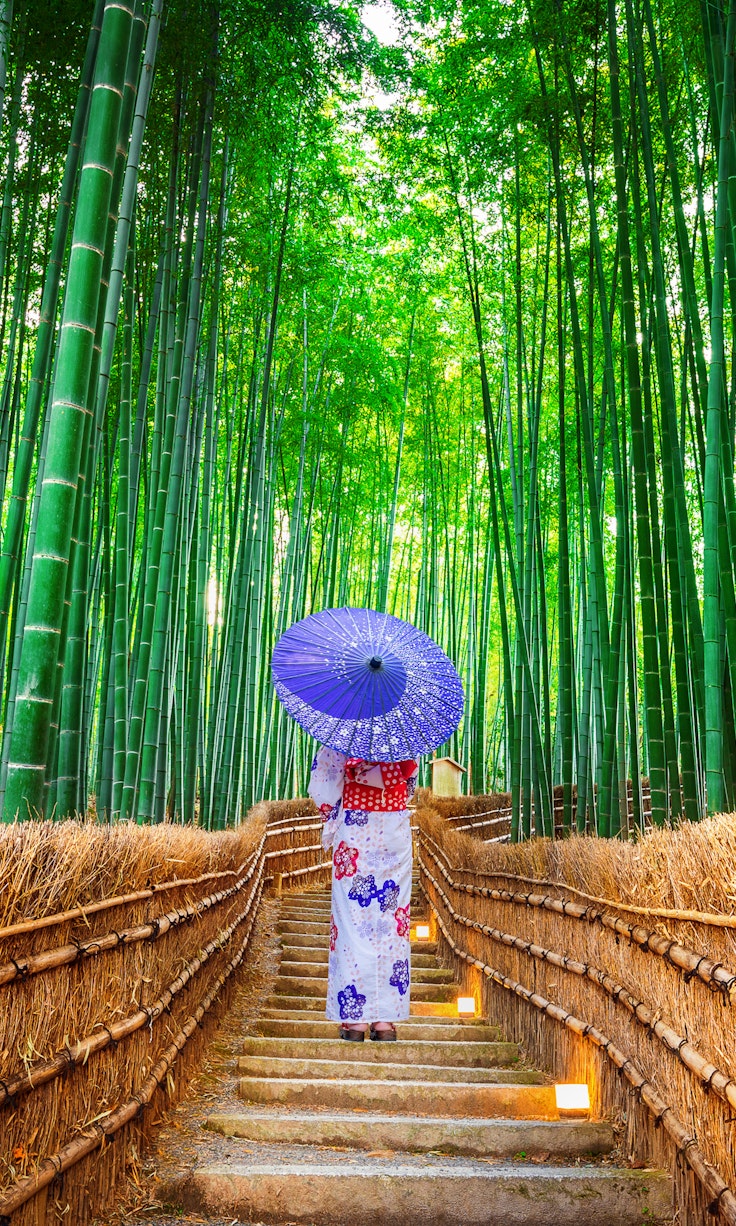


Day 4: Nishiki Market to the Philosopher's Walk
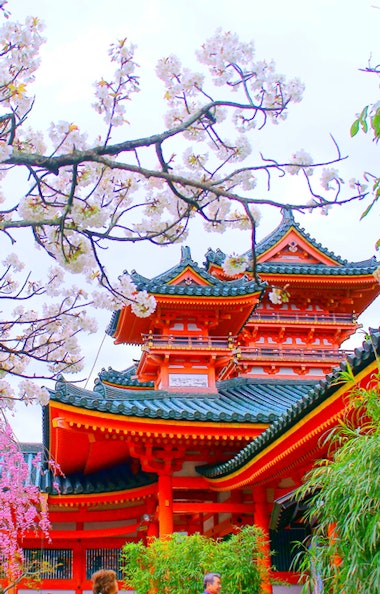
Today is a walking day from downtown into the eastern hills, and every stop is free. Graze your way through Nishiki Market in the late morning, then walk about 1.3 km east along Shijo to Yasaka Shrine at the edge of Gion. Continue about 1.4 km north to Heian Shrine and its huge torii gate. From there it is around 1.2 km to the Philosopher's Walk, a quiet canal path that makes a calm end to the day.
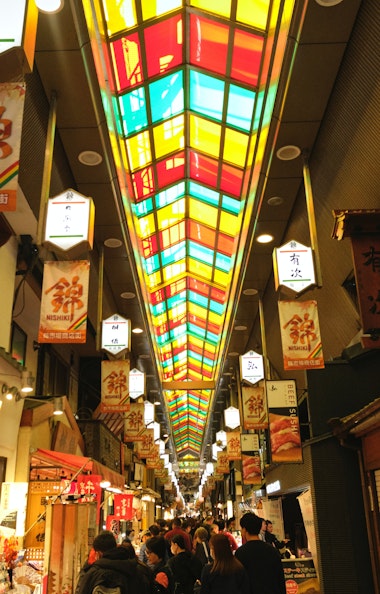


Day 5: Imperial Palace, Toji and a night out
Start at the Kyoto Imperial Palace, which is free, and walk the wide gravel paths and gardens of the surrounding park. Then ride the Karasuma subway line south toward Kyoto Station and walk to Toji (about $5.50), home to Japan's tallest wooden pagoda. If your visit lines up with the temple's monthly flea market, budget extra time for it. End your trip with a relaxed evening at The Pink Kyoto, about 1.3 km away, a cocktail bar where you can settle in for a few hours.


Good to know
- Buses get crowded around the big eastern temples, so use the subway or trains where you can and walk the short gaps between stops.
- Arrive at Fushimi Inari, Kinkaku-ji and the bamboo grove early in the morning, because they fill up quickly once tour groups arrive.
- Carry some cash, since smaller temples, market stalls and shrine shops do not always take cards.
- In Gion, do not photograph geiko or maiko without permission, and stay out of private alleys marked as off-limits.
- Wear shoes that slip on and off easily, as many temple halls ask you to remove footwear before entering.
Pick your dates and budget: TripGoat turns this itinerary into your own day-by-day plan, with the stops above, and you can change it as you like. Free.