

Chicago itinerary: 2, 3 or 5 days
Chicago spreads along the southwestern shore of Lake Michigan, and its skyline is one of the great showcases of modern architecture. The city rebuilt itself after the Great Fire and is often called the birthplace of the skyscraper. The Loop, its downtown, holds the Art Institute, Millennium Park and the Willis Tower. The Chicago River runs through it, lined by the Riverwalk and busy with architecture boat tours. North of the river are the Magnificent Mile, Navy Pier, Lincoln Park and Wrigley Field. South of Grant Park, the Museum Campus groups the Shedd Aquarium and the Field Museum on the lakefront. The elevated 'L' trains and city buses reach all of these easily. For food, try deep-dish pizza, a Chicago-style hot dog and an Italian beef sandwich. Parks are free, while the big museums and the aquarium cost between about $19 and $39. TripGoat lists 62 places in Chicago if you want to change the plan.
Pick your dates and budget: TripGoat turns this itinerary into your own day-by-day plan, with the stops above, and you can change it as you like. Free.
When to go
June, July and August are the best and busiest months in Chicago. It is warm, the lake beaches are open, boats run on the river and Grant Park hosts big festivals such as Lollapalooza. Late spring and early autumn are milder and quieter, and good for walking the city. Winter is long, cold and windy, so pack warm clothes and focus on the museums, which are among the best in the country.
How long to stay
Five days is the recommended stay in Chicago, and three is the minimum to see the Loop, the river and one big museum. With up to ten days, you can add Hyde Park for the Museum of Science and Industry and the Robie House, or neighbourhoods such as Andersonville. Budget about $1,500 per person per week. Downtown hotels take a large share, while the parks, the zoo and the Riverwalk are free.
Day-by-day itinerary
Each day groups stops that sit close together, so you walk more than you ride. Days 1 and 2 make a 2-day trip: the Loop, then Navy Pier and the river. Days 1 to 3 make a 3-day trip by adding Wrigley Field and Lincoln Park. All five days add a half day on Route 66 and a final day on the Museum Campus.
Day 1: The Loop: Art Institute, Millennium Park and Skydeck
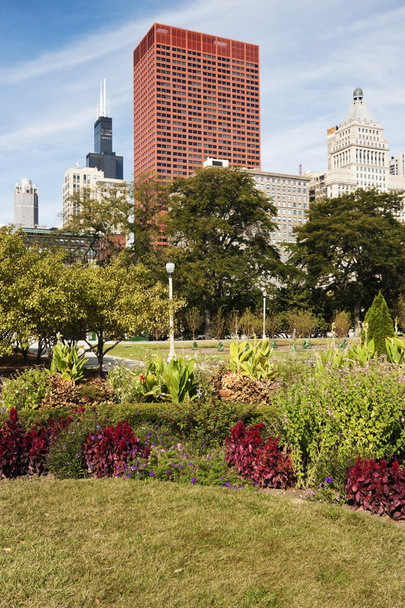
Start at the Art Institute of Chicago (about $25) when it opens and give it at least two hours. The Impressionist rooms, Grant Wood's American Gothic and Edward Hopper's Nighthawks are the most popular works. Then walk about 350 m into Millennium Park, which is free, for Cloud Gate and the Crown Fountain. Continue about 800 m south through Grant Park to Buckingham Fountain, which runs in the warmer months. Finish about 1.4 km west at the Skydeck on the 103rd floor of the Willis Tower (about $22). Go near sunset to see the city in daylight and after dark.


Day 2: Navy Pier, the Magnificent Mile and the Riverwalk
Begin at Navy Pier on the lakefront. Walking the pier is free, and about $18 covers a ride or attraction if you want one. Walk about 1.6 km west to the Magnificent Mile, the shopping stretch of Michigan Avenue north of the river. Head up it about 500 m to the former John Hancock Center, now 875 North Michigan Avenue, whose 360 Chicago observatory (about $18) looks down on the beaches and the lake. Then walk about 1.5 km back south to the Chicago Riverwalk and end the day by the water, with a drink or a boat tour.


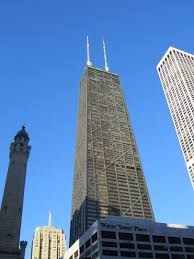

Day 3: Wrigley Field, Lincoln Park and the Chicago History Museum
Take the Red Line north to Wrigley Field, the Cubs' ballpark with its ivy-covered outfield walls. Allow an hour, and check whether there is a game or a stadium tour (about $20). Then go about 3.5 km south to Lincoln Park Zoo, which is free, and spend about three hours there. The Lincoln Park Conservatory is about 300 m away, with free rooms of palms and ferns. End about 1.4 km south at the Chicago History Museum (about $19), on the edge of the park, for the story of the city you have been walking through.


Day 4: Half day on Route 66
Day 4 is an excursion rather than a city day. Route 66 began in downtown Chicago, and a 'Begin Route 66' sign marks the start on Adams Street, near the Art Institute. Take your photo, then have breakfast at Lou Mitchell's, a diner long known as the first stop for road-trippers. To see the roadside Americana, you need a car: the old road heads southwest across Illinois through towns such as Joliet, Wilmington and Pontiac, with murals, diners and old gas stations. Plan at least a half day, and keep the evening free.

Day 5: Museum Campus: Shedd Aquarium, Field Museum and Grant Park
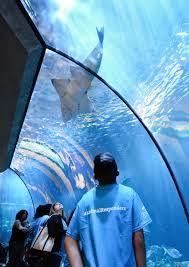
Spend the last day on the Museum Campus, on the lakefront south of downtown. Arrive early at the Shedd Aquarium (about $39), the priciest ticket of the plan, and give it about 2.5 hours for the belugas, the Amazon galleries and the reef. The Field Museum (about $24) is under 300 m away, with Sue the T. rex and the ancient Egypt galleries. Walk about 900 m north through Grant Park, which is free, then finish about 800 m away at Fox in a Box (about $28), an escape room where your group solves puzzles against the clock.


Good to know
- The CTA's 'L' trains and buses cover the whole plan. You can pay with a Ventra card or tap a contactless bank card, and the Red and Blue lines run around the clock.
- Book an architecture boat tour on the Chicago River; it is the best way to understand the skyline. Several companies leave from the Riverwalk around the Michigan Avenue bridge.
- The wind off Lake Michigan makes cool days feel much colder, so bring an extra layer even in spring and autumn.
- The plan has two observation decks. If you only want one, 360 Chicago looks over the lake and Michigan Avenue, while the Skydeck is higher and has glass ledges.
- If you plan to visit several big museums and observation decks, compare the price of a multi-attraction pass with separate tickets.
Pick your dates and budget: TripGoat turns this itinerary into your own day-by-day plan, with the stops above, and you can change it as you like. Free.